Social Series Recap – Procurement Made Simple
31st August 2026
In August, the Source Medical social series covered Procurement Made Simple, looking back at the challenges that can make healthcare procurement unnecessarily complex and the value of creating simpler, more dependable ways of working.
Across eight posts, the campaign explored simplicity from several perspectives, including saving time, consolidating suppliers, improving reliability and returning procurement to the basics. Together, the series reinforced Source Medical’s approach to making procurement easier to manage while helping healthcare teams focus their time and resources where they matter most.
Part 1: Simplicity Saves
The posts began by addressing one of the central challenges within procurement: unnecessary complexity. Here, we considered how additional steps can consume valuable time and resources, setting the direction for the month ahead. It introduced our focus on creating straightforward procurement experiences with fewer headaches, fewer risks and greater confidence.

Part 2: Simpler Procurement, Better Patient Care
Next, we built on the theme of simplicity by looking at the people behind procurement processes. We explored how reducing administration can give healthcare teams valuable time back, allowing greater focus to be placed on patient care. This helped connect procurement efficiency with the wider healthcare environment, showing that improvements behind the scenes can have benefits beyond procurement itself.

Part 3: One Partner, Many Solutions
Our attention then turned to supplier management. This part looked at the complexity that can come from working with multiple suppliers, including managing different contracts, invoices, delivery schedules and quality requirements. We explored how supplier consolidation and working with a trusted partner can create a more streamlined procurement experience for NHS Trusts and healthcare organisations.


Part 4: Simplifying Procurement Without Limiting Choice
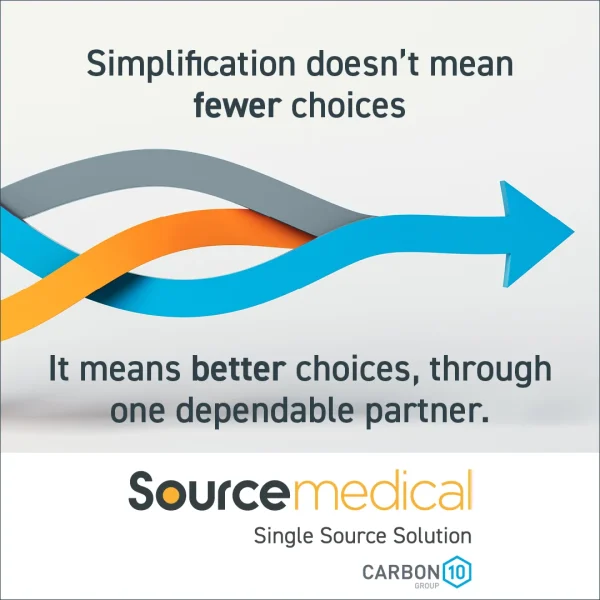
Conversation developed, focusing on the distinction between simplification and reducing choice. Our message centred on the idea that simpler procurement can still provide access to a broad range of solutions. Through one dependable partner, healthcare organisations can maintain choice while reducing the administrative challenges associated with unnecessary supplier duplication.
Part 5: Simplicity Builds Reliability
Following the previous post, the topic then moved on towards reliability. We explored how simpler processes can be easier to manage consistently and how reducing unnecessary complexity can help limit procurement risk. This allowed the series to move beyond simplicity as a matter of convenience and consider its role in creating dependable procurement processes.

Part 6: Designing for Predictable Outcomes
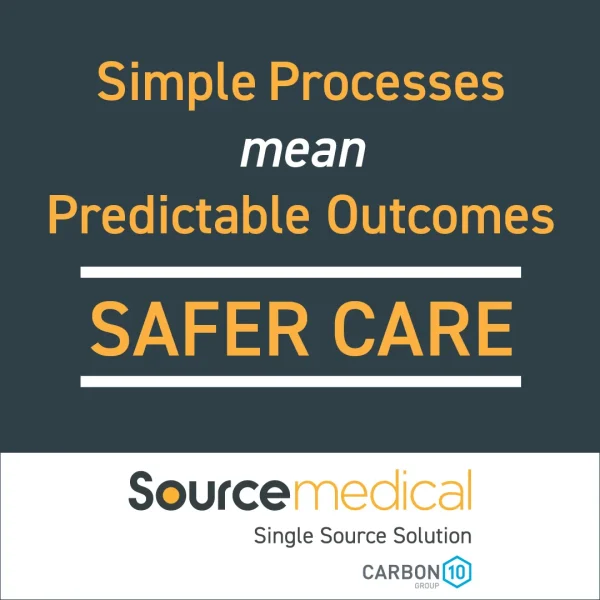
The sixth part continued the reliability theme by looking at the importance of designing processes with consistency in mind. Predictable procurement outcomes can help healthcare teams plan with greater confidence and reduce uncertainty across the supply process. This part strengthened the connection between simplicity and reliability, two qualities that sit at the heart of the Source Medical approach.
Part 7: Getting Back to Basics
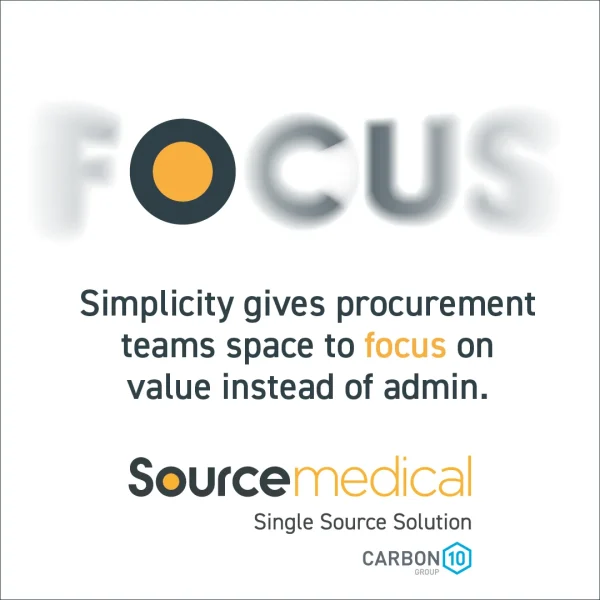
With the month concluding, we looked at the value of returning procurement to its fundamentals. Rather than assuming improvement always means adding new layers, systems or processes, this part considered what can be achieved by removing unnecessary complexity. The focus was on creating space for procurement teams to concentrate on value rather than administration.
Part 8: Procurement Made Simple Wrap Up
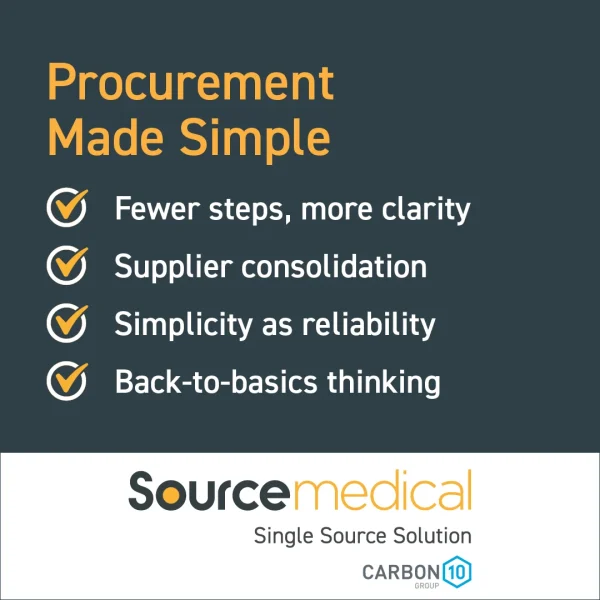
Finally, the series ended by reflecting on the four central ideas that shaped the August campaign: fewer steps and greater clarity, supplier consolidation, simplicity as a foundation for reliability and a back to basics approach.
Across the month, the parts allowed a wider conversation to be presented about what simpler healthcare procurement can look like in practice. From saving staff time to reducing supplier complexity and supporting more predictable outcomes, the series highlighted that simplicity could influence far more than the procurement process alone.