
Social Series Recap – Hidden Costs in Procurement
28th February 2026

In February 2026, Source Medical launched a focused LinkedIn series, Hidden Costs in Procurement, shining a light on a critical yet often overlooked issue within healthcare. The series explored the hidden costs that don’t appear on invoices, but still have a significant impact on budgets, operational efficiency, and ultimately, patient care.
Post 1 – Costs You Don’t See on Invoices
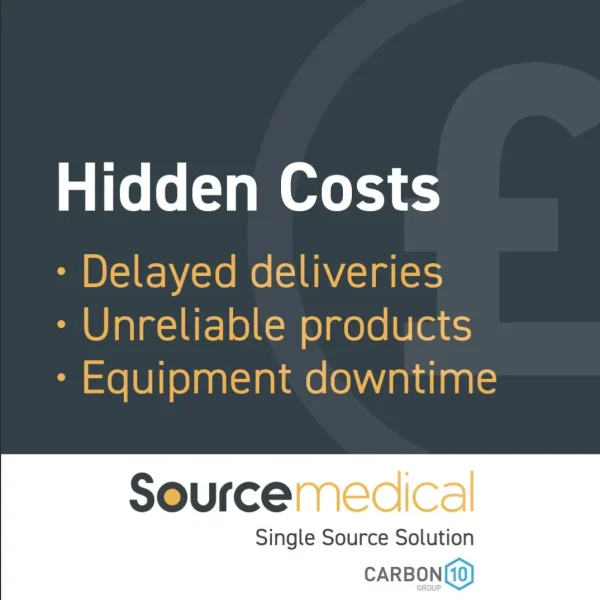
The series opened by highlighting that not all procurement costs are visible. Hidden issues like delivery delays, unreliable products, and equipment downtime can quietly put pressure on budgets. The post positioned Source Medical as a partner in avoiding these risks through dependable, compliant supply.
Audiences’ were asked, where do you see hidden costs most often in procurement?
Post 2 – Smarter Stock Planning, Better Patient Care
This post focused on emergency procurement, explaining how last-minute purchasing leads to higher costs, wasted staff time, and potential risks to patient care. It encouraged more proactive stock planning to reduce these pressures.
This then led to questioning, how often does reactive buying hit your team?

Post 3 – Short-Term vs Long-Term Value
Here, the spotlight was on lifecycle value. Choosing the cheapest option upfront can result in greater long-term costs due to shorter product lifespan, frequent replacements, and retraining. The message: invest in solutions that last, therefore Source Medical were curious to understand, how does your team factor lifecycle costs into decisions?

Post 4 – Confidence Starts With Reliable Supply
This piece explored the wider impact of unreliable supply chains. Beyond cost, inconsistency leads to frustration, lost time, and reduced confidence among staff, with knock-on effects for patient care.
Readers were encouraged to think about their biggest supply chain frustrations.

Post 5 – Duplication and Downtime
This post addressed supplier duplication as a hidden cost. Managing multiple suppliers can increase complexity and inefficiency, whereas consolidating supply can save time and streamline operations.
Curious to explore further, this post encouraged readers to think about whether reducing supplier duplication could save time for their teams.


Post 6 – Downtime Isn’t Just a Delay — It’s a Cost
The focus here was on the real impact of equipment downtime. Delays, staff frustration, and disruption to patient care all carry financial and operational consequences. The post emphasised the importance of reliable, ready-to-use equipment.
Readers were then questioned, where do downtime costs hit your organisation hardest?

Post 7 – Compliance Gaps = Hidden Costs
This piece highlighted the risks of non-compliance, including failed audits, penalties, and reputational damage. It reinforced the importance of building compliance into procurement from the outset.
The penultimate question for this series questioned, what’s the biggest compliance challenge you face in procurement?

Post 8 – Wrap-Up Hidden Costs in Procurement
The final post brought the series together, summarising the key hidden cost areas:
- Emergency buying
- Short product lifespans
- Supplier duplication and downtime
- Compliance gaps
It reinforced Source Medical’s mission to help healthcare organisations eliminate these inefficiencies and invited reflection on where savings could be made. To conclude the series, Source Medical asked, what’s the biggest hidden cost you’d like to reduce this year?

To conclude, the Hidden Costs in Procurement series brought attention to the unseen pressures shaping healthcare procurement decisions every day. From emergency buying and unreliable supply to compliance risks and equipment downtime, each theme highlighted how small inefficiencies can quickly escalate into significant financial and operational challenges.