
Social Series Recap – Building Procurement Resilience
31st July 2026
Throughout July, we focused on one central theme: procurement resilience and why it has become an essential priority for NHS Trusts and healthcare organisations.
Rather than simply discussing resilience as a concept, the conversation highlighted the practical challenges procurement teams face every day. Through this, we encouraged professionals to reflect on their own experiences to reinforce the value of resilient procurement strategies.
Part 1 – Why Resilience Matters
The series began by defining what resilience means within healthcare procurement. It highlighted the importance of adapting to changing circumstances, maintaining continuity of care, and creating confidence in supply chains. Audiences were invited to consider: How do you define resilience in procurement? to encourage different perspectives from those working across the sector.

Part 2 – Procurement Teams
As the series developed, attention turned to the realities facing procurement teams. Changing budgets, fluctuating demand, and global supply chain pressures were positioned as everyday challenges that require reliable partnerships and forward planning. Readers were then encouraged to share their experience with challenges to resilience in their own roles.
Part 3 – Procurement Resilience in Action
We then examined the operational impact of resilient procurement, demonstrating how proactive purchasing helps prevent crisis buying, reduces unnecessary spending, and ensures vital equipment is available when needed. This was furthered by asking the audience to consider the frequency of crisis buying in their team, prompting reflection on the impact of reactive purchasing.
Part 4 – Trusted to Deliver Under Pressure
Another key area covered was the importance of trusted supplier relationships during periods of high demand. The content emphasised that resilience is truly tested under pressure and that dependable supply partners help healthcare organisations continue delivering patient care without disruption.

Part 5 – Every Emergency Purchase Costs More Than a Planned One
Financial resilience formed another important theme. The campaign highlighted how emergency purchasing often results in higher costs than planned procurement, reinforcing the value of proactive supply management. Followers were invited to consider “Where do emergency costs hit your team hardest?”, encouraging discussion around financial pressures within healthcare procurement.
Part 6 – Why Procurement Resilience Matters
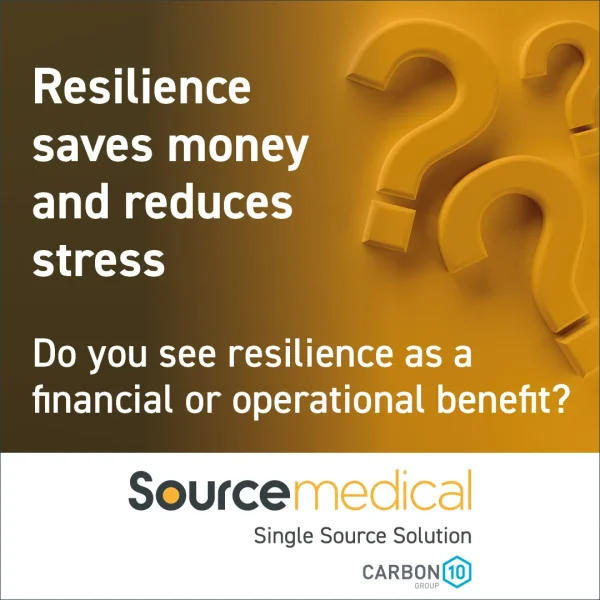
While resilience is often associated with maintaining supply, it has a wider impact on reducing costs, minimising operational disruption, and giving procurement teams greater confidence in their day to day decision making. Rather than reacting to shortages or unexpected demand, resilient procurement enables organisations to plan, avoid unnecessary expenditure, and reduce the pressure placed on staff.
Part 7 – Culture of Resilience
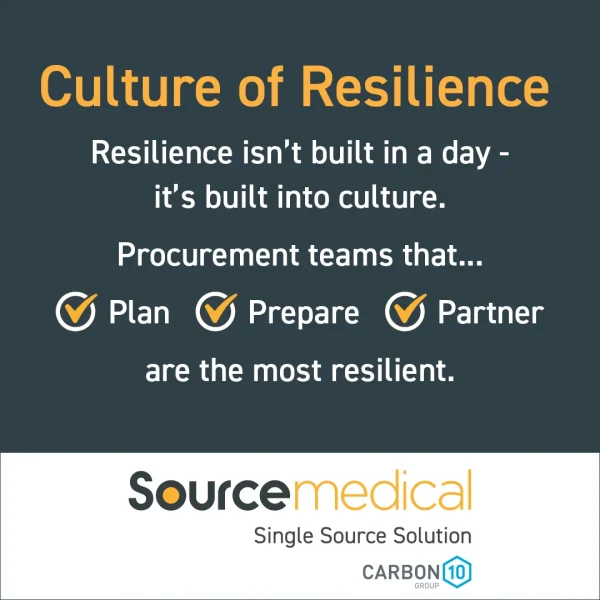
The content then shifted towards culture, recognising that resilience is not only built through processes and suppliers but also through people and organisational mindset. This allowed procurement teams to go beyond day to day operations and instead think about how they build resilience into their team’s culture.
Part 8 – Building Procurement Resilience Wrap-Up
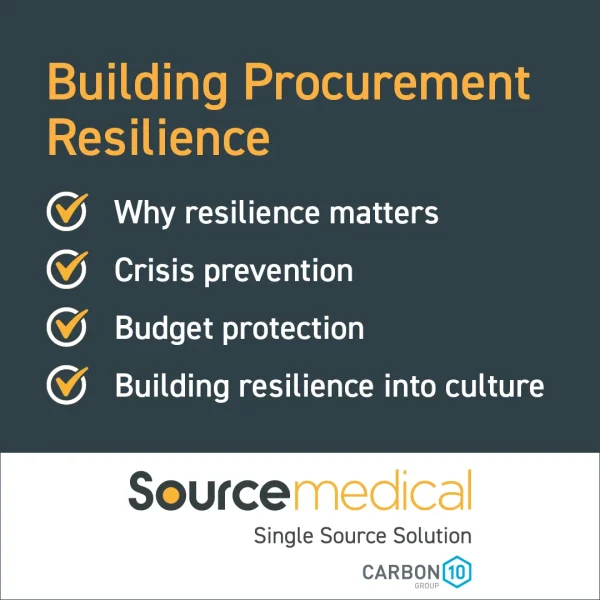
Finally, the month concluded with a summary of the key topics explored, including why resilience matters, preventing crisis buying, protecting budgets, and embedding resilience into organisational culture. The campaign closed by asking one final reflective question: “What is the one step you will take to strengthen resilience this year?” Reinforcing the practical focus of the series.
Overall, the July series positioned procurement resilience as a strategic advantage for healthcare organisations. The theme prompted discussion, exploring how reliable procurement partnerships can improve operational stability, financial efficiency, and continuity of patient care.